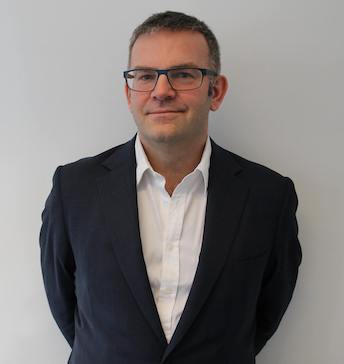
Clinically reviewed by
Professor Mark Emberton
Consultant Urological Surgeon · Reviewed August 2026 · Review due August 2027
What is Focal Therapy?
Focal therapy is a modern, tissue-preserving approach to treating prostate cancer. Rather than removing or treating the whole prostate — as with radical prostatectomy or radiotherapy — focal therapy targets only the area of cancer (the index lesion), leaving the rest of the prostate, the urinary sphincter, and the nerves responsible for erectile function intact.
The result, for carefully selected men, is effective cancer control with substantially lower rates of incontinence and erectile dysfunction than whole-gland treatment. Most men return to normal activity within a few weeks.
London Urology Specialists offers all three established focal therapy modalities — high-intensity focused ultrasound (HIFU), NanoKnife (irreversible electroporation) and cryotherapy — led by Professor Mark Emberton, a pioneer of the field, and Professor Clément Orczyk.
Who is Focal Therapy For?
Focal therapy is most often considered for men with localised, clinically significant prostate cancer where the disease is confined to a defined area of the gland. Suitability is decided after a full assessment including multiparametric MRI, targeted biopsy, and multidisciplinary team (MDT) discussion.
Typically suitable
- Localised disease, confined to one or two areas of the prostate
- Intermediate-risk disease (Grade Group 2 or 3 in most cases)
- Clear lesion visible on multiparametric MRI
- Men who place a high value on preserving continence and sexual function
- Men seeking an alternative to radical surgery or radiotherapy
Usually not suitable
- Diffuse, multifocal cancer involving large areas of both lobes
- High-risk or locally advanced disease extending beyond the prostate
- Lesions in a location where focal treatment cannot safely cover the tumour
- Large prostates where HIFU energy cannot reach all the cancer
- Men suitable for active surveillance (low-risk, low-volume disease)
A final decision is always made after MDT review and a detailed discussion of the trade-offs with your consultant. Our team will be honest with you if focal therapy is not the right choice.
The Principle: Treat the Cancer, Spare the Rest
Research has shown that in many men with localised prostate cancer, one or two dominant tumour areas drive the disease — the so-called index lesion. Focal therapy is built on the principle that destroying the index lesion, with a safety margin of surrounding tissue, can achieve cancer control while preserving the structures responsible for urinary and sexual function.
1. Pinpoint the cancer
Multiparametric MRI and targeted biopsy locate the index lesion in three dimensions, with millimetre precision.
2. Destroy the lesion
Energy — ultrasound, electrical pulses, or extreme cold — is delivered precisely to the cancer plus a small safety margin.
3. Preserve the rest
Healthy prostate tissue, the urinary sphincter, the urethra, and the neurovascular bundles are deliberately left intact.
Three Focal Therapy Technologies, One Tailored Decision
No single focal therapy modality is best for every patient. The choice between HIFU, NanoKnife and cryotherapy depends on the location of the cancer within the prostate, its size, its proximity to critical structures, and the patient's prostate anatomy.
High-Intensity Focused Ultrasound (HIFU)
HIFU uses focused ultrasound waves to generate intense heat (around 80°C) at a precise point inside the prostate, destroying cancer cells while leaving the surrounding tissue undamaged. It is the most commonly used focal therapy modality worldwide and the one with the longest published outcomes.
- Delivered through a probe placed in the rectum — no incisions
- Performed under general or spinal anaesthetic, usually 1–3 hours
- Most patients go home the same day or the following morning
- Best suited to lesions in the peripheral and posterior parts of the prostate
- Can be repeated if needed, and does not preclude later salvage treatment
NanoKnife — Irreversible Electroporation (IRE)
NanoKnife uses short, high-voltage electrical pulses to permanently disrupt the membranes of cancer cells, causing cell death without using heat or cold. Because it is a non-thermal technology, NanoKnife is particularly useful for cancers very close to delicate structures such as the urethra, nerve bundles or rectum, where thermal energy could cause damage.
- Delivered via fine needles inserted through the perineum under image guidance
- Performed under general anaesthetic with full muscle relaxation
- Non-thermal — protects nerves, urethra and surrounding structures
- Ideal for anteriorly placed tumours and lesions near the apex or urethra
- Professor Mark Emberton has led the UK clinical research programme on NanoKnife for prostate cancer
Cryotherapy (Cryoablation)
Cryotherapy destroys cancer cells using controlled cycles of extreme freezing and thawing. Thin probes are placed precisely into the cancerous area, and the temperature is dropped to around −40°C in successive cycles. The resulting ice ball kills cancer cells within a sharply defined area.
- Thin probes placed through the perineum under ultrasound guidance
- Two freeze-thaw cycles used to ablate the tumour
- Useful for anterior tumours that may be difficult to reach with HIFU
- Can be used as salvage treatment after radiotherapy in selected cases
Which modality is right for you? The decision is made jointly with your consultant after MRI, biopsy and MDT review. We do not have a default — we choose the technology that fits your cancer.
Your Pathway, Step by Step
Focal therapy is not a single appointment — it is a coordinated programme that starts with accurate diagnosis and continues with structured follow-up for at least three to five years.
1. Initial consultation
A full review of your diagnosis, previous PSA tests, MRI and biopsy results, with time to discuss your priorities and concerns. We will only proceed with focal therapy if it is genuinely the right option for you.
2. Multiparametric MRI
A high-quality mpMRI is essential to map the cancer in three dimensions. If you have already had a recent MRI we will review it; if not, we will arrange one.
3. Targeted prostate biopsy
A transperineal biopsy targets the suspicious areas on MRI and provides systematic samples from the rest of the gland to confirm exactly where the cancer is and is not.
4. MDT discussion
Your case is discussed at a multidisciplinary team meeting with uro-oncologists, radiologists and pathologists. The MDT confirms whether focal therapy is the recommended approach.
5. Treatment Day
Your procedure is usually performed as a day case under general anaesthetic and typically takes 1–3 hours. A urinary catheter will be inserted during the procedure and is generally removed in our clinic 3–5 days afterwards.
6. Early recovery
Most men resume light activity within a few days, office work within a week, and physical exercise within 2–3 weeks.
7. Structured follow-up
PSA testing at regular intervals, a surveillance mpMRI at 6–12 months, and a follow-up biopsy where indicated. The aim is to confirm cancer control and pick up any residual or new disease early.
Recovery, Continence and Sexual Function
The single greatest reason men choose focal therapy is the preservation of urinary and sexual function. Because the urinary sphincter and the neurovascular bundles are not directly treated, the functional outcomes are very different from those after radical prostatectomy or radiotherapy.
Urinary continence
Most men maintain pre-treatment continence. Significant long-term incontinence is uncommon — below 5% in most published series. A short period of urinary irritation after the catheter is removed is normal.
Sexual function
A meaningful proportion of men preserve erectile function sufficient for intercourse, especially if good function is present before treatment. Recovery typically takes 3–6 months. PDE5 inhibitor support is offered routinely.
Return to normal activity
Light activity within a few days, office work within a week, and full physical activity within 2–3 weeks. Driving is generally safe within a week of catheter removal.
Individual outcomes vary. Your consultant will discuss what to expect in your case based on cancer characteristics, your age, baseline function and the modality used.
Focal Therapy vs Radical Surgery vs Radiotherapy
Focal therapy sits alongside radical surgery and radiotherapy as one of three established curative-intent treatments for localised prostate cancer. Each has a different profile of cancer control, side effects and recovery.
| Aspect | Focal Therapy | Radical Prostatectomy | Radiotherapy |
|---|---|---|---|
| Tissue treated | Cancerous area only (index lesion plus margin) | Whole prostate removed surgically | Whole prostate treated with radiation |
| Anaesthetic | General or spinal | General | None (external beam) or general (brachytherapy) |
| Hospital stay | Day case | 1–2 nights | None (outpatient course) |
| Catheter | 3–5 days | 7–10 days | Not usually required |
| Long-term incontinence | Uncommon (<5%) | Variable; up to 10% may have ongoing stress incontinence | Uncommon, but urinary urgency can persist |
| Erectile dysfunction | Lower rates; meaningful preservation in selected patients | Common; recovery over 12–24 months | Increases gradually over months/years |
| Repeatable? | Yes — focal treatment can be repeated | No | Not generally to the same area |
| Salvage options if recurrence | Repeat focal therapy, surgery or radiotherapy | Radiotherapy | Salvage prostatectomy (technically complex) |
Long-term cancer-control data for focal therapy continues to mature. Our team will discuss the published outcomes honestly with you so you can make a fully informed decision.
A Balanced View
Benefits
- Minimally invasive — no surgical incisions, no major blood loss
- Day case in most cases
- Substantially lower rates of urinary incontinence than radical surgery
- Better preservation of erectile function in selected patients
- Rapid recovery — back to normal activity within weeks
- Can be repeated, and all other treatment options remain available afterwards
Considerations
- Not suitable for diffuse, multifocal or high-risk cancer
- Long-term cancer-control data is still maturing compared with surgery and radiotherapy
- Requires committed follow-up: PSA, MRI and possibly biopsy
- Around 10–20% of men may need further treatment within 5 years
- Subsequent salvage surgery is more technically complex and should be performed by surgeons with salvage experience
- Insurance cover varies — check with your insurer in advance
Meet your Specialists
Focal therapy at London Urology Specialists is delivered by consultants with internationally recognised expertise in tissue-preserving prostate cancer treatment.
Professor Mark Emberton
Professor of Interventional Oncology, UCL
Pioneer of focal therapy & mpMRI-first prostate diagnostics
View profile →
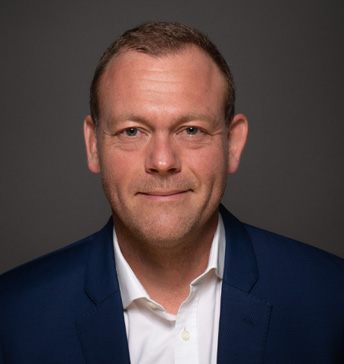
Professor Clément Orczyk
Consultant Urological Surgeon, UCLH
Focal therapy, imaging-guided diagnosis & treatment
View profile →
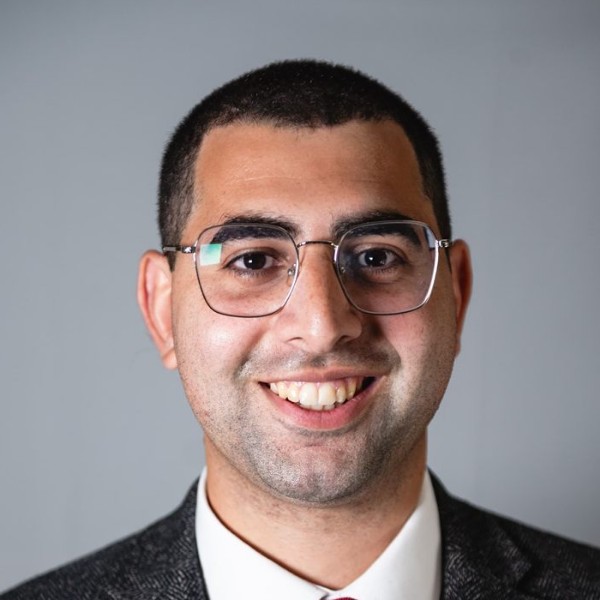
Mr Joseph Gabriel
Consultant Urological Surgeon
Prostate cancer, robotic surgery & focal therapy
View profile →
Frequently Asked Questions
What is focal therapy for prostate cancer?
Focal therapy is a tissue-preserving treatment that targets and destroys only the cancerous area of the prostate (the index lesion) while sparing the healthy surrounding tissue, including the structures responsible for continence and erectile function. It contrasts with whole-gland treatments such as radical prostatectomy or radiotherapy.
Am I a suitable candidate for focal therapy?
Focal therapy is typically considered for men with localised, clinically significant prostate cancer where the dominant tumour is confined to a specific area of the gland. Suitability is assessed through multiparametric MRI, targeted prostate biopsy and an MDT discussion. Not every man with prostate cancer will be suitable — the decision is made on cancer characteristics, prostate anatomy and personal priorities.
Which focal therapy modalities does LUS offer?
Our focal therapy service offers high-intensity focused ultrasound (HIFU), irreversible electroporation (NanoKnife / IRE) and cryotherapy (cryoablation). The choice between them is based on tumour location, size, proximity to critical structures such as nerves and the urethra, and patient factors.
How is focal therapy delivered, and is it surgery?
Focal therapy is minimally invasive and involves no surgical incisions. HIFU is delivered through a probe in the rectum, NanoKnife uses fine needles placed through the perineum under image guidance, and cryotherapy uses thin probes placed through the perineum. Procedures are performed under general or spinal anaesthetic and most patients go home the same day or the following morning.
What are the side effects compared to radical prostatectomy?
Because focal therapy preserves most of the prostate and the surrounding nerves, rates of urinary incontinence and erectile dysfunction are substantially lower than after radical prostatectomy. Most men maintain pre-treatment continence and a meaningful proportion preserve erectile function. Temporary side effects can include mild urinary symptoms, perineal discomfort, and a short period with a urinary catheter.
How long is the recovery?
Recovery is faster than after radical surgery. Most men return to office work within a few days and to physical activity within 2–3 weeks. A short-term urinary catheter is usually in place for 3–5 days. Driving is generally safe within a week of catheter removal.
What follow-up is needed after focal therapy?
Careful follow-up is essential. This typically includes regular PSA monitoring, an MRI scan at around 6–12 months, and a follow-up biopsy where indicated. The aim is to confirm cancer control and identify any residual or new disease early.
What happens if focal therapy doesn't work?
Focal therapy does not remove the option of further treatment. If residual or recurrent cancer is found on follow-up, you may have repeat focal therapy, salvage radical prostatectomy or radiotherapy. Salvage surgery after focal treatment is more complex than primary surgery and should only be undertaken by surgeons with extensive salvage experience — which our team has.