18 Devonshire Street
London
W1G 7AQ
info@londonurologyspecialists.co.uk
Adolescent Urology
Differences in Sexual Development
Differences in Sexual Development (DSD) — also known as intersex variations — describe a wide spectrum of congenital variations in reproductive or sexual anatomy. Our care is patient-led, respectful, and grounded in informed choice.
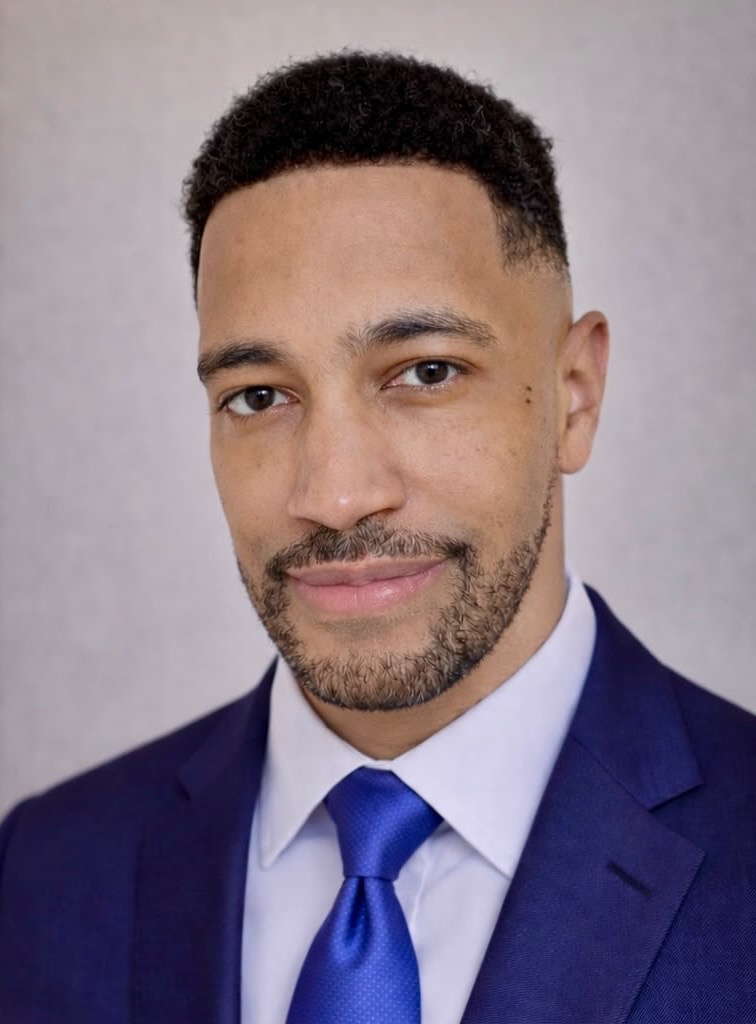
Clinically reviewed by
Mr Anthony Noah
Consultant Urological Surgeon · Reviewed August 2026 · Review due August 2027
What are Differences in Sexual Development?
Differences in Sexual Development (DSD) is the medical term for a group of congenital conditions in which reproductive or sexual anatomy develops in ways that differ from typical male or female patterns. The term covers a wide spectrum of variations affecting chromosomes, gonads, hormones, and/or anatomy; and includes several conditions. This group of conditions is also known by the term "intersex". In the most extreme cases, there is a complete difference between chromosomal sex (XY or XX) and gender (male or female).
DSD is more common than many people realise. Collectively, these conditions are estimated to affect 1 in 1,500 to 1 in 4,500 births, with certain specific conditions being considerably more common. Some are diagnosed at birth, some at puberty, and some not until adulthood (for example, when a person is investigated for unexplained infertility).
Having a DSD is a variation in human biology. Most people with DSD live healthy lives. Where specialist care is needed, our approach focuses on supporting individuals to understand their bodies, make informed choices, and access the right multidisciplinary expertise. We never pressure people towards any particular surgical pathway. Mr Anthony Noah leads adolescent and DSD-related urology care at London Urology Specialists.
Our approach: patient-led, never prescriptive
We provide information, choices, and specialist coordination, not a fixed treatment plan. Whether you need detailed advice, a single follow-up appointment, or simply to know that an experienced team is available, you are in control of how, when, and whether to engage with care.
Types of DSD
DSD is an umbrella term covering many distinct variations. Some of the more commonly encountered conditions include:
Klinefelter Syndrome (47,XXY)
One of the most common chromosomal variations, affecting around 1 in 600 men. Often diagnosed at puberty or in adulthood (commonly through fertility investigation). Many men live full lives with appropriate hormone and fertility support where wanted.
Androgen Insensitivity Syndrome (AIS)
In complete or partial AIS, the body does not respond to androgens (such as testosterone) in the usual way. Individuals with complete AIS are typically assigned female at birth and identify as women; partial AIS exists along a wider spectrum.
Congenital Adrenal Hyperplasia (CAH)
A group of inherited conditions affecting the adrenal glands and steroid hormone production. CAH care is led by endocrinology; urology may be involved in long-term follow-up when anatomical considerations are present.
Mixed Gonadal Dysgenesis
A variation in the development of the gonads, often with a mosaic karyotype such as 45,X/46,XY. Long-term follow-up may include monitoring of gonadal tissue, fertility discussion, and hormone management.
5-Alpha Reductase Deficiency
A condition affecting how testosterone is metabolised. Body changes at puberty can differ from those typical of childhood appearance, and individuals make decisions about how they wish to live with the support of their multidisciplinary team.
Mullerian Agenesis / MRKH Syndrome
In 46,XX individuals, the uterus and the upper portion of the vagina do not form. Hormonal function and external anatomy are typical; care often centres on family-building options and, where wanted, options for vaginal length. Urological involvement is not usually required in MRKH, however, due to the skill mix of our surgeons, we are able to discuss vaginoplasty options if needed.
Anatomical Variations
More severe forms of hypospadias and other anatomical variations are sometimes classified as DSD. Adolescent and adult follow-up may include review of childhood reconstruction and discussion of revision surgery (where chosen by the individual).
Many Other Variations
DSD encompasses many further conditions including ovotesticular DSD (the presence of both ovarian and testicular tissue in the same person), deficiency, and rare karyotypic variations. We work in partnership with specialist DSD multidisciplinary centres for in-depth genetic and endocrine assessment. Whilst certain aspects of DSD can be managed in the private sector, it is usually recommended that overall care is under the MDT care of a specialist centre such as UCLH.
Each person is an individual
The same diagnosis can present and be lived very differently from one person to another. We treat each consultation as the start of a conversation, not the application of a protocol.
Concerns Across Adolescence and Adulthood
The questions and concerns people with DSD bring to clinic change with age. In adolescence and adulthood, these often include:
Sexual Function & Intimacy
Concerns about ability to have intercourse, sensation, comfort, and confidence in intimate relationships are common and entirely valid. Sexual health is a key part of overall well-being; we offer space to discuss it openly.
Fertility & Family-Building Options
Fertility outcomes vary widely. We discuss what is known for your specific situation and arrange onward referral to fertility specialists where possible; including options such as assisted reproduction, donor pathways, surrogacy, and adoption.
Hormone Therapy (When Desired)
If hormone replacement or modulation is warranted, this is coordinated with endocrinology. The goals, benefits, and trade-offs of any hormone regimen are discussed openly.
Surgical Decisions (When Relevant)
Where surgery is considered, it is on the basis of clear medical benefit or because an individual has chosen it for themselves after full information. We are clear about what surgery can and cannot achieve, and about its risks.
Mental Health & Identity
Many people benefit from access to specialist psychological support, not because DSD itself is a psychological condition, but because it can carry experiences (such as feeling different, or difficult past care) worth talking through with someone experienced.
Disclosure to Partners
If, when, and how to share personal information with partners is one of the questions people most often raise. There is no single right answer; we can help you think through what feels right and offer language if it helps.
Cancer Risk
A small number of DSDs carry an increased risk of gonadal tumours and require gonadectomy (removal of the gonads). Where this is relevant, we set up a clear, sustainable follow-up plan, with fertility considerations in mind.
Bone Health
Hormonal differences and, sometimes, gonadectomy in earlier life can affect bone density. Periodic DXA scans and lifestyle advice may form part of your long-term care plan.
Body Image & Self-Esteem
Confidence in one's body is shaped by many things. We work with psychology colleagues to support people who wish to explore body image, especially around adolescence and after past medical experiences.
A Multidisciplinary Approach
DSD care is never urology alone. Effective care is the result of a co-ordinated multidisciplinary team in which different specialists each bring part of the picture, and in which the person at the centre directs how care is put together. The teams we work with typically include:
Urology
For surgical and anatomical questions, urological follow-up, and coordination of any revision surgery the individual chooses.
Endocrinology
For hormone investigations and any hormone-replacement or modulation therapy — central to almost all DSD care across adolescence and adulthood.
Gynaecology
For care relating to internal reproductive anatomy, menstrual concerns, vaginal health, and (where wanted) reconstructive options such as vaginal dilation or surgery.
Psychology & Counselling
Psychological support is a core part of good DSD care — not because DSD is a psychological problem, but because making complex decisions and navigating identity benefits from skilled, non-judgemental support.
Clinical Genetics
For karyotyping, gene panel testing, and family genetic counselling. We refer to NHS genetics services for in-depth evaluation and family follow-up.
Fertility Specialists
For fertility assessment, gamete preservation discussions, and assisted-reproduction pathways including donor and surrogacy options where relevant.
Sexual Health
Specialist sexual-health input where wanted — including discussion of sensation, function, and confidence in intimate relationships.
Peer Support & Advocacy
Peer support organisations have been at the forefront of improving DSD care for decades. We signpost to UK and international groups so that people can connect with others who share their experience.
Our Approach to DSD Care
Care for people with DSD has changed considerably in recent years. We recognise that historic practice was sometimes paternalistic, with decisions taken on behalf of children that they later wished had been theirs to make. Contemporary care, supported by UK and international guidance, and shaped by the voices of people with DSD, looks different. Our principles are as follows:
Patient Autonomy & Informed Consent are central
Core PrincipleAdolescents and adults are the people best placed to make decisions about their own bodies. Our role is to provide accurate information, to make space for unhurried decision-making, and to respect the choices people make, including the choice not to pursue any intervention.
No Cosmetic Childhood Surgery
We do not undertake surgery on children for cosmetic reasons alone; that decision belongs to the individual when they are old enough to weigh up the options for themselves. Surgery in childhood is reserved for clear medical reasons (for example, urinary or uterine obstruction).
We Avoid Medicalising Natural Variation
Many features of DSD do not require any medical or surgical intervention. We are careful not to treat difference as disease, and not to recommend treatment simply because something can be measured or labelled.
Information, Options, and Support — Not Prescription
Our consultations are designed to help people understand their bodies and their options, and to access the right specialists. We do not push anyone towards a particular pathway and we are happy to share notes and information for people to take away and think about.
Partnership with MDTs and Advocacy Groups
We can work in partnership with national DSD multidisciplinary clinics (where patients qualify for NHS treatment). Where in-depth specialist input is needed, we coordinate referrals; where lived-experience guidance helps, we signpost.
What We Can Help With at LUS
The services below are delivered directly by our specialist team at London Urology Specialists, working closely with multidisciplinary colleagues:
Long-Term Follow-Up After Childhood Care
Adolescent & Adult TransitionFor people who had paediatric DSD care and now need adult follow-up — including review of historical surgery, current symptoms, and ongoing surveillance needs.
Surgical Revisions (Where Chosen by the Patient)
For adults who have decided that revision surgery to a previous reconstruction is something they wish to pursue. This is always patient-initiated and must be clinically warranted; and we are equally happy to advise where surgery is not the right answer.
Gonadal Cancer Management and Surveillance
Surgery and structured imaging-based surveillance for individuals whose DSD carries an increased risk of gonadal tumours, with a clear plan for follow-up frequency and when to escalate.
Coordination of Multidisciplinary Care
Acting as a single point of contact: helping people navigate appointments with endocrinology, gynaecology, psychology, fertility services, and genetics, so the burden of coordination does not fall on the individual.
Sexual Health Consultations
A confidential space to discuss sexual function, sensation, comfort, and intimacy. We can also refer on to specialist sexual health services where helpful.
Hormone Therapy Coordination
Where hormone therapy is wanted, we work alongside endocrinology to ensure regimes are right for the individual and reviewed regularly with attention to bone health, mood, and overall well-being.
Fertility Counselling and Onward Referral
Discussion of fertility implications for your specific situation, with referral to specialist fertility services for specialist discussion of relevant options.
Support During Pregnancy and Parenting Planning
For people who become pregnant or are planning a family, we coordinate with obstetric and maternal-medicine teams to ensure DSD-aware care throughout pregnancy and beyond.
Other Services (Referred to Specialist Centres)
Some aspects of DSD care are best delivered by dedicated tertiary centres. For these services we will coordinate referral and continue to provide support alongside the specialist team:
Specialist DSD Multidisciplinary Clinics
UK National CentresFor complex assessment, in-depth genetic and endocrine investigation, and rare-condition expertise, we refer to designated UK DSD multidisciplinary services where this is the right level of care.
DSD-Specific Psychology & Counselling
Specialist Psychology ServicesSpecialist psychological services with expertise in DSD are available within national MDTs and via independent practitioners. We refer onwards as wanted.
Fertility Treatment
Referred to Fertility ClinicsActive fertility treatment (IVF, ICSI, surgical sperm retrieval, and donor pathways) is delivered by specialist fertility centres. We refer and coordinate.
Clinical Genetic Counselling
NHS Genetics ServicesIn-depth genetic counselling for individuals and families is best provided by NHS clinical genetics services with experience in DSD. We refer for karyotyping, gene panels, and family follow-up.
For Parents and Carers
Many parents come to clinic with questions about the transition into adolescence for their child, e.g. what changes to expect, what conversations might help, and how to access age-appropriate support. We welcome these conversations.
Where appropriate, we offer family-centred consultations that include parents, carers, and the young person, with time set aside to see the young person on their own as they get older. We also signpost to peer support organisations for parents, where the chance to talk to others who have been through similar experiences can be especially helpful.
Above all, we recognise that the young person at the centre of care will, in time, become the adult making their own decisions. Our consultations are designed to support that transition; giving young people accurate information, increasing autonomy, and a sense that their voice is the one that matters most.
Patient Support Organisations
For decades, patient and peer-support organisations have been a vital source of information, friendship, and advocacy for people with DSD and intersex variations. Many of the changes in contemporary medical practice have come from listening to their members. We work alongside the following kinds of organisations and can provide specific signposting:
UK and International DSD / Intersex Support Organisations
Umbrella organisations that bring together people from many different DSDs and offer information, community, and advocacy. They are often the first port of call for newly diagnosed adolescents and adults.
Condition-Specific Patient Communities
Many DSDs have dedicated support groups — for example, AIS support groups, CAH support groups, Klinefelter syndrome associations, and MRKH peer networks. These offer condition-specific information and the chance to connect with others who share the same experience.
Signposting and Information
We can signpost patients to reputable organisations without pressure to engage with any particular group. Whether and when to connect with peer support is your decision.
Meet your Specialist
Assessment and treatment of differences in sexual development is led by our experienced consultant urologist. Your care will be personally overseen by our senior specialist.
Key Takeaways
Differences in Sexual Development are natural variations in human biology, not problems to be fixed. Our role at London Urology Specialists is to provide information, options, and respectful coordination of care — supporting adolescents and adults to make the choices that are right for them, with no pressure and no expectation that any particular pathway is the right one.
Frequently Asked Questions
Differences in Sexual Development (DSD) is the medical term for a group of congenital conditions in which reproductive or sexual anatomy develops in ways that differ from typical male or female patterns. The term covers a wide spectrum and includes conditions affecting chromosomes, gonads, hormones, or anatomy. Collectively, DSDs are estimated to affect approximately 1 in 1,500 to 1 in 4,500 births. Many people with DSD live healthy lives — specialist care focuses on supporting individuals to make informed choices about their health and bodies.
DSD is the term most commonly used in medical settings. "Intersex" is a term used by many people and community organisations to describe the same variations in sex development, often as a matter of identity and lived experience rather than a medical label. Both terms are valid, and we use whichever language a person prefers. We recognise that for some people neither term feels quite right, and we will follow your lead on the language used in your care.
No. Surgery is never required simply because a person has a DSD. Where surgery is offered, it is on the basis of clear medical benefit (for example, treating a urinary or hormonal problem, or where there is a cancer risk that requires gonadal surveillance or removal) or because an individual has chosen it for themselves after full information and reflection. We do not perform surgery for cosmetic reasons alone in childhood — that decision belongs to the individual when they are old enough to make it for themselves.
Fertility varies considerably between different DSDs, and between individuals with the same condition. Some people with DSD can have biological children naturally; others may need assisted reproduction techniques; and some will need to consider alternative routes to parenthood such as donor gametes, surrogacy, or adoption. We discuss fertility openly, refer to specialist fertility services where appropriate, and recognise that family-building is a deeply personal decision.
Many people find connection with others who share similar experiences extremely valuable. There are well-established UK and international DSD and intersex support organisations, as well as condition-specific groups (for example, for AIS, CAH, Klinefelter syndrome, and MRKH). We can signpost you to these organisations and provide information so you can decide which, if any, feels right for you. Peer support is not a substitute for medical care, but it can sit alongside it as an important resource.
Confidential, Sensitive DSD Care
Whether you are seeking a one-off consultation, ongoing specialist follow-up, or simply the reassurance of knowing that experienced expertise is available, we are here to listen. We understand that every individual's journey is different, and there is no expectation to follow any particular pathway. Our role is to provide clear, evidence-based information, compassionate support, and the time and space to make decisions that feel right for you.